
Tax Savings & Corporate Wealth Transfer Conference for High-Net-Worth Families Only
Tax Savings & Corporate Wealth Transfer Conference for High-Net-Worth Families Only
Exclusive Event – Fine Dining Experience
July 31, 2026 (Friday) · Toronto
Aug 30, 2026 (Sunday) · Vancouver
Tailored for High-Net-Worth Families
This exclusive event is designed for high-net-worth families who want to reduce taxes, protect assets,
and strategically preserve and grow their wealth.
Hosted by GT Wealth, a team of planners with over 100 years of combined experience, we proudly serve top 1% income earners across British Columbia, Alberta, and Ontario. As a leading one-stop firm in tax savings and corporate wealth transferring, we specialize in strategies that deliver measurable and lasting results.
Hear From Past Participants
Watch real conversations and insights from past conferences,
featuring high-net-worth families navigating the same financial decisions you face today.
Case Study: Mr. & Mrs. Wong (High-Net-Worth Family)
Below is a simplified preview of a Tailored 10-Page Advice Memo prepared for a high-net-worth family, outlining key tax exposures, structural inefficiencies, and coordinated strategies across corporate, personal, and estate planning.
Mr. and Mrs. Wong are long-time business owners and real estate investors with a combined net worth exceeding $12 million. Over the years, they accumulated:
➡️ Multiple real estate properties
➡️ Significant RRSP/RRIF holdings
➡️ Retained earnings within their corporation
While their financial position was strong, their structure was fragmented—each component (real estate, RRSP, corporation) was managed separately without integration.
Key Issues Identified
Issue 1 — Real Estate Capital Gains Exposure
➡️ Multiple properties held personally
➡️ Significant unrealized capital gains accumulated over time
➡️ Future disposition or estate transfer triggers immediate taxation
Risk:
With increasing capital gains inclusion rates, a large portion of their real estate value would be eroded by tax upon sale or at death.
Issue 2 — RRSP / RRIF Tax Inefficiency
➡️ Large RRSP/RRIF balances accumulated
➡️ 100% taxable upon withdrawal
➡️ Additional government clawback exposure
Projection:
Over retirement and estate transfer, the total tax payable on RRSP/RRIF alone would reach several million dollars.
Issue 3 — Corporate Surplus Trapped Inefficiently
➡️ Significant retained earnings inside corporation
➡️ Personal extraction triggers ~48% tax on dividends
➡️ Limited flexibility for personal use (mortgage, lifestyle, planning)
Impact:
High tax friction reduces usable cash flow and limits reinvestment efficiency.

Strategic Approach

Strategy 1 — Real Estate Rollover into Holding Structure
➡️Transferred real estate assets into a holding company structure
➡️Deferred immediate capital gains tax
➡️Centralized asset control for future planning
Outcome:
Immediate tax deferral on existing gains and improved long-term flexibility for estate planning.

Strategy 2 — RRSP/RRIF Withdrawal Optimization with Interest Deductibility
➡️Modeled optimal withdrawal strategy across retirement timeline
➡️Implemented investment loan structure
➡️Applied interest deductibility under ITA s. 20(1)(c)
Outcome:
Reduced effective tax burden on RRSP/RRIF withdrawals by up to 50%, while maintaining capital for reinvestment.

Strategy 3 — Corporate Asset Leveraging for Personal Cash Flow
➡️Utilized corporate assets to secure bank financing
➡️Repaid personal mortgage using structured borrowing
➡️Avoided high-tax dividend extraction
Outcome:
Improved personal cash flow while bypassing ~48% dividend tax, creating immediate and ongoing tax efficiency.
Results
Through coordinated implementation of the above strategies:
✅ Estimated tax savings: $6,000,000+
✅ Improved retirement cash flow efficiency
✅ Reduced estate tax exposure significantly
✅ Aligned corporate, personal, and legacy planning into one structure
Tax Savings & Corporate Wealth Transfer Conference for High-Net-Worth Families Only
Exclusive Event – Fine Dining Experience
July 31, 2026 (Friday) · Toronto
Aug 30, 2026 (Sunday) · Vancouver
🎥 Real Questions From Canadian High-Net-Worth Families
Tax Savings & Corporate Wealth Transfer Conference for High-Net-Worth Families Only
Exclusive Event – Fine Dining Experience
July 31, 2026 (Friday) · Toronto
Aug 30, 2026 (Sunday) · Vancouver
Advanced Tax & Wealth Planning Insights for High-Net-Worth Families
Our expert speaker will provide actionable insights on the relevant sections of the Income Tax Act to help you achieve targeted wealth creation and tax savings — ranging from millions to tens of millions.
✅Income Tax Act s. 15(1)
Use corporate assets to reduce tax when repaying a personal mortgage or acquiring personal property.
✅ITA s. 20(1)(c)
Transfer corporate assets to personal hands with a 50% tax offset and reduce passive income taxed at 50% to retain capital.
✅ITA s. 148
Withdraw RRSP/RRIF tax-efficiently; implement a self-insured retirement plan to minimize 50% tax and a 15% government claw back.
✅ITA s. 138.1
Invest through Canada, U.S., Europe, and Asia sector funds with 2–3× returns (2014–2024) and optional principal guarantees.
✅Income Tax Act s. 85
Transfer shares to family without immediate tax; mitigate deemed disposition capital gains tax of 25% at the estate.
✅ITA s. 104
Use trust structures to safeguard assets against mismanagement and protect from relationship breakdown.
✅ITA s. 73(1.01)
Transfer assets to an alter ego trust to avoid 5% probate fees and reduce the risk of family disputes.
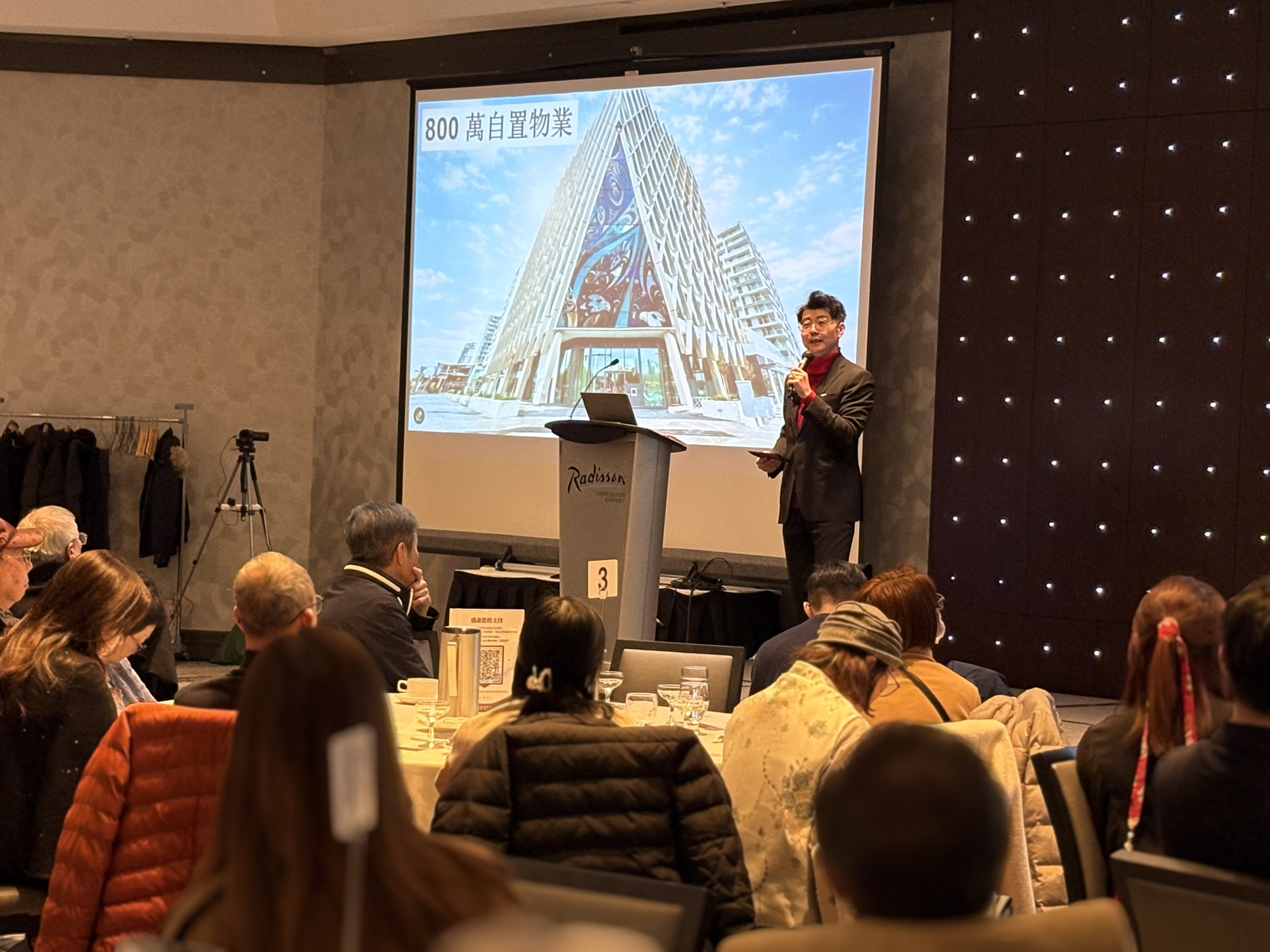
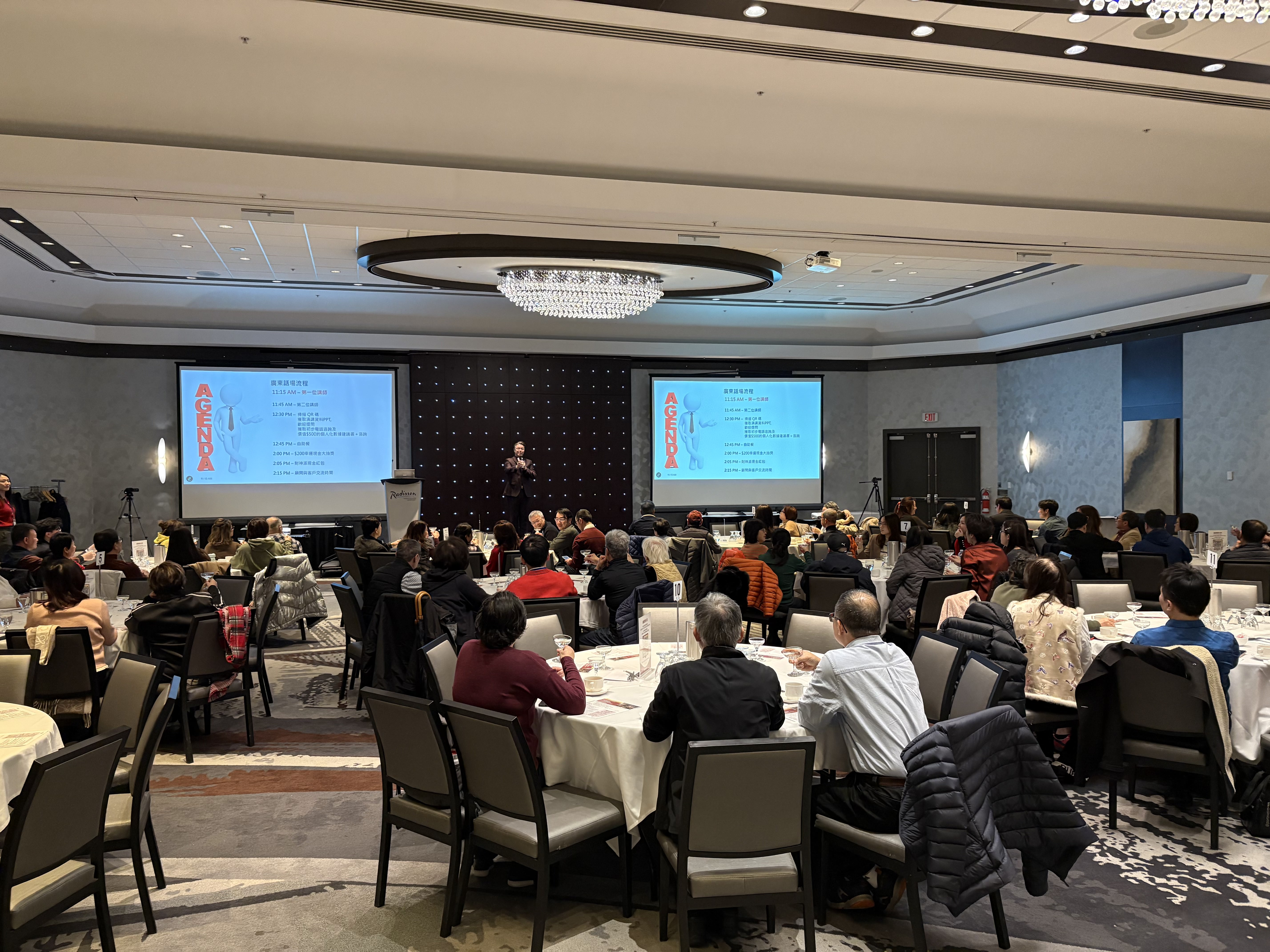
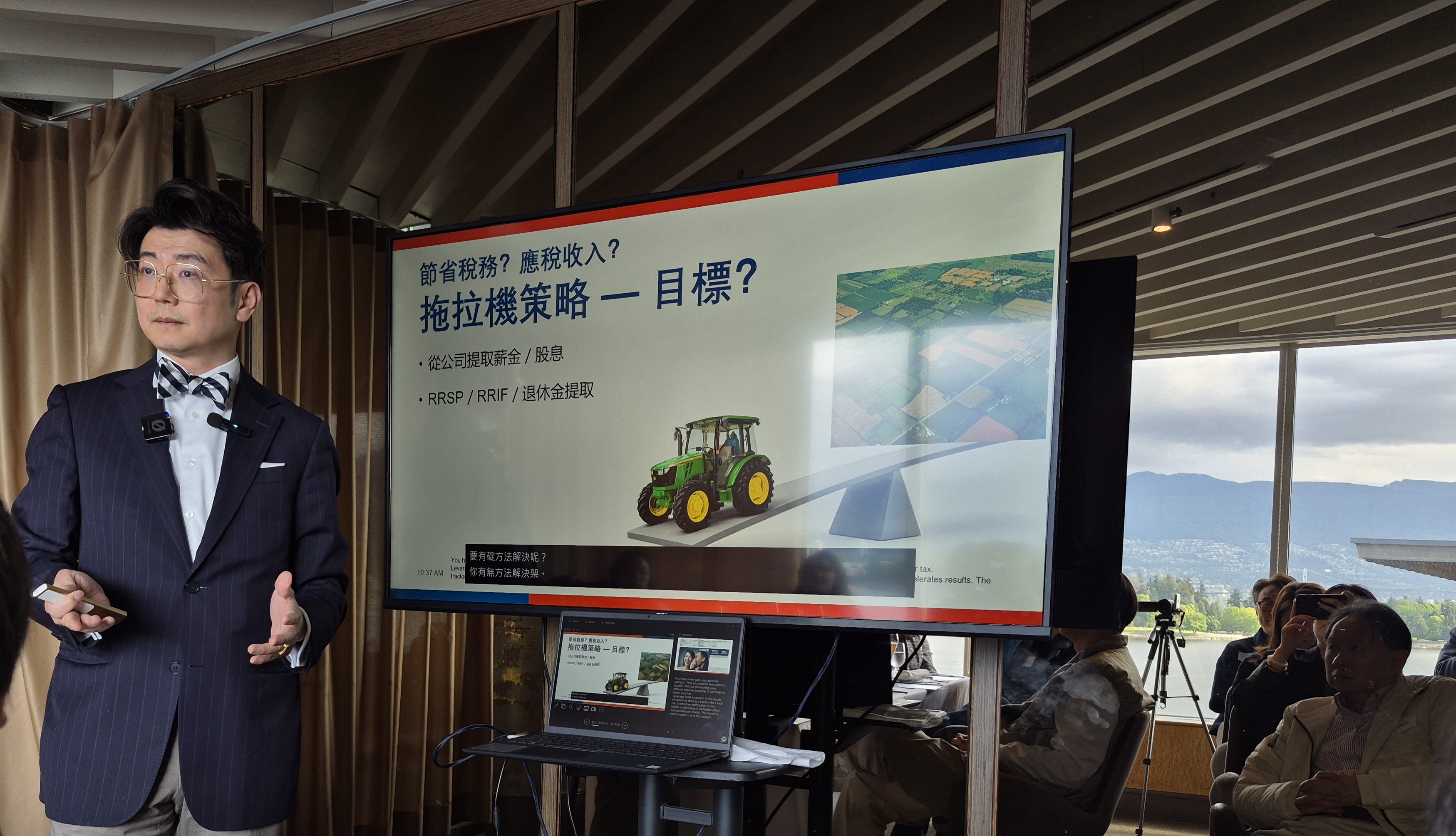
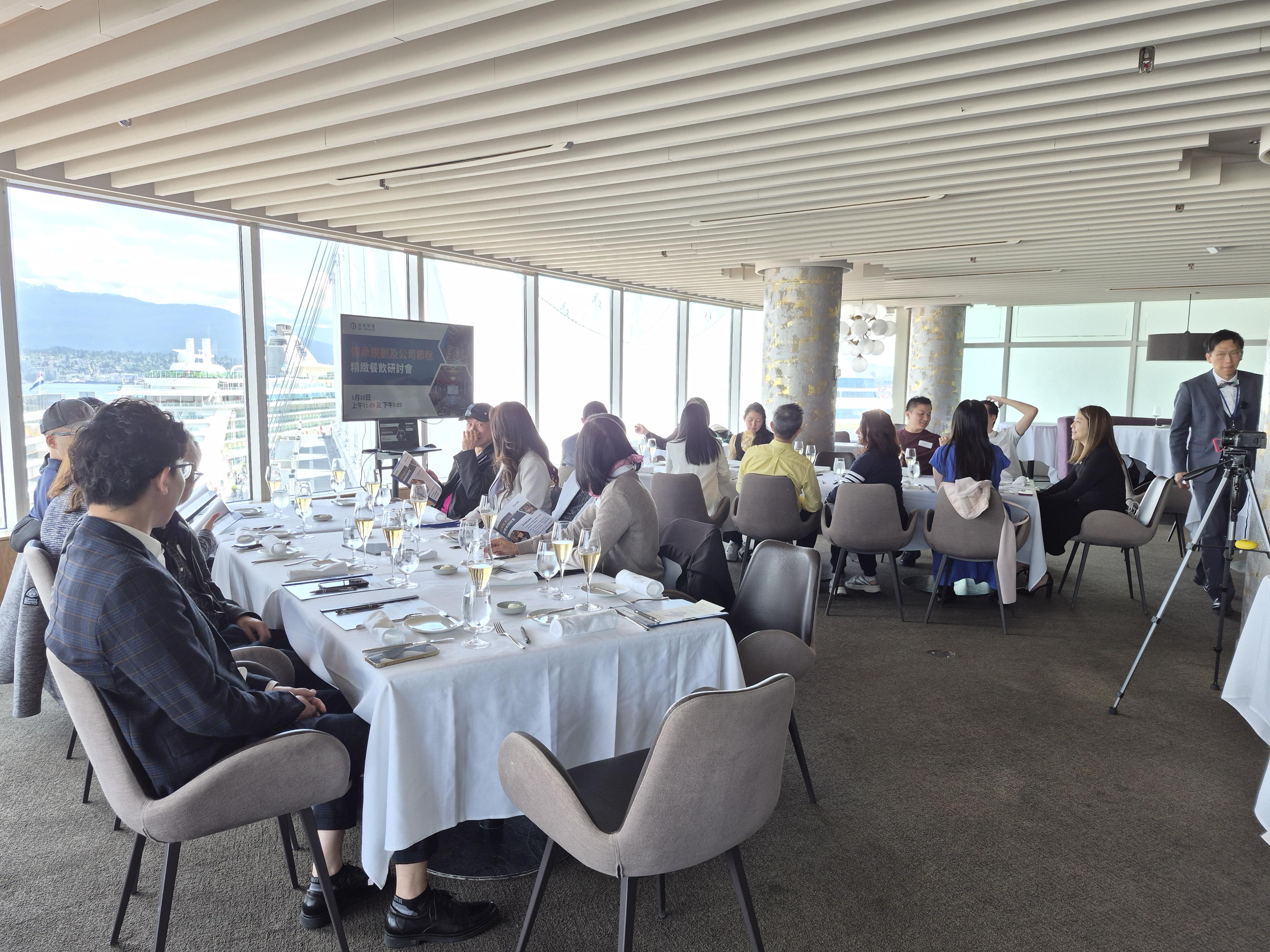
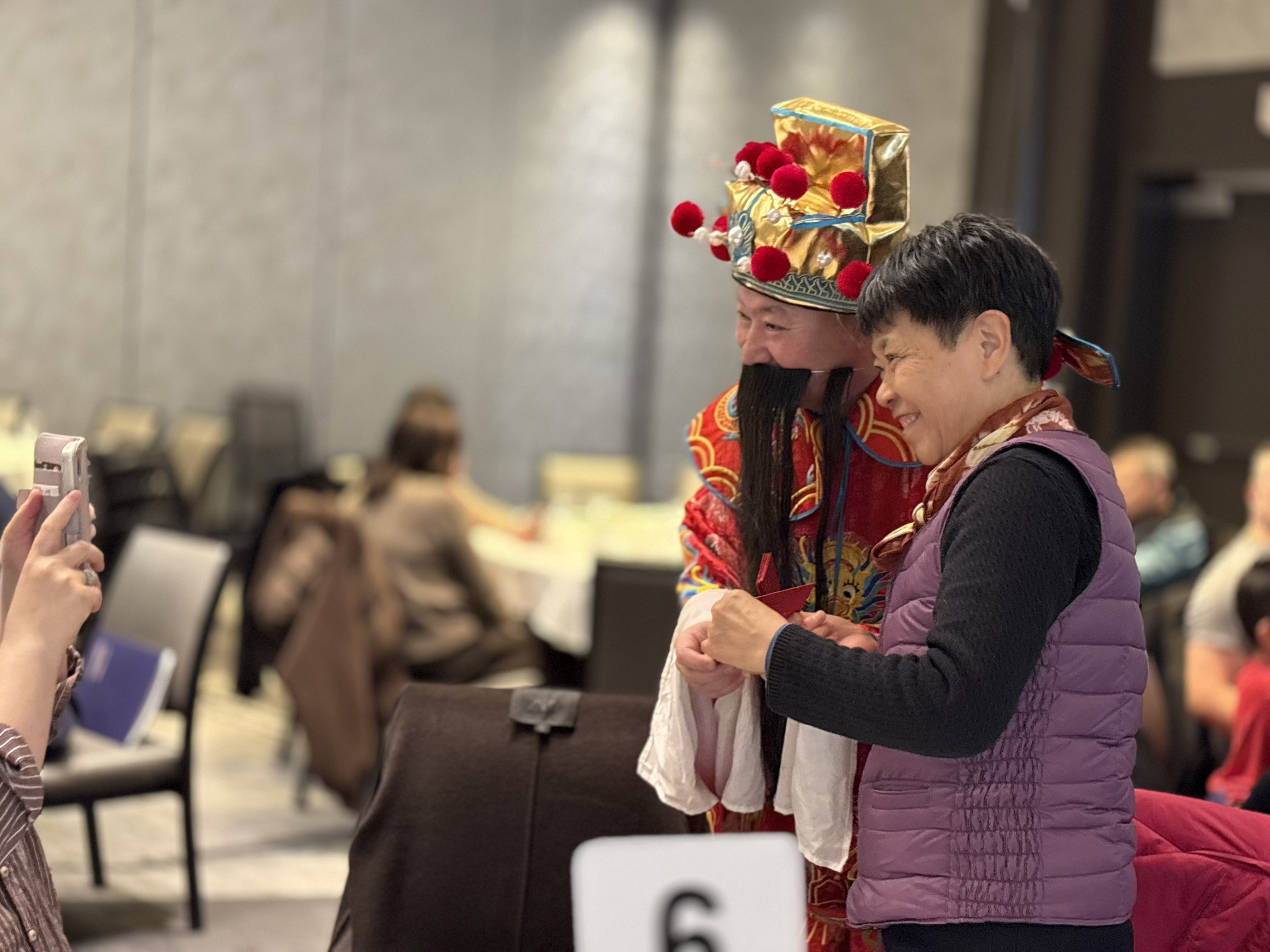
📸 Gallery: Our Recent Event

Limited-Time Offer
Be among the first 10 confirmed families to register and attend free of charge. Your experience includes:
Fine Dining – Enjoy a three-course meal of your choice
Exclusive – Limited to High-Net-Worth Families
Private Q&A – 30-minute one-on-one interview
$500 Value Advice Memo – Initial report tailored to your chosen areas
Presented By - One of the most well-known high-net-worth speakers

FOLLOW US


